Choosing the right typography sets the tone for a luxury brand website before a customer even reads a word. Editorial fonts suggest quality, heritage, and attention to detail. When visitors land on a site, the typeface signals if the brand is premium or generic. Pairing these fonts correctly ensures the design feels intentional rather than accidental.
What defines a luxury font pairing?
Luxury typography relies on contrast and clarity. High-contrast serifs often evoke tradition and elegance, while clean sans-serifs provide modern readability. The goal is to create a visual hierarchy that guides the eye without distraction. A strong pairing balances personality with function, allowing product details to stand out.
Which serif and sans-serif combinations work best?
Classic pairings often mix a distinctive header font with a neutral body font. For example, using Bodoni for headlines creates a sharp, fashionable look. Pairing it with a geometric sans-serif like Montserrat keeps the body text legible on screens. This approach mirrors modern magazine layout combinations where readability meets style.
How do you manage text density without clutter?
Luxury designs usually favor whitespace, but product descriptions require space. When you need to fit more information into a small area, condensed typefaces help maintain elegance. You can explore strategies for handling high-density editorial content to keep pages tidy. This prevents the design from feeling cramped while still delivering necessary details.
What mistakes should you avoid?
Using too many font families confuses the viewer and dilutes brand identity. Stick to two or three weights maximum. Avoid low-resolution fonts that look pixelated on high-DPI screens. Also, ensure sufficient contrast between text and background. Poor contrast makes reading difficult and looks cheap.
How do you structure long-form content?
Storytelling is key for luxury brands. Long articles need clear headings and spacing to keep readers engaged. Implementing typographic hierarchy techniques for long-form articles ensures users scan content easily. For a classic editorial feel, consider referencing styles similar to Playfair Display for subheadings.
Next steps for your typography
- Select one primary serif for headlines.
- Choose a neutral sans-serif for body text.
- Test readability on mobile devices.
- Limit font weights to three variations.
- Ensure high contrast between text and background.
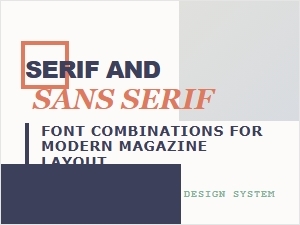 Masterful Font Pairings for Modern Magazine Layouts
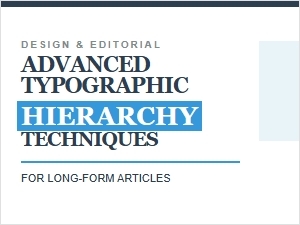 Crafting Better Reads with Typographic Hierarchy
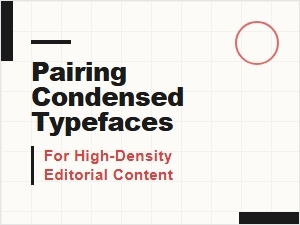 Pairing Condensed Fonts for Dense Editorial Layouts
 Best Script Font Accents for Editorial Headlines
 Editorial Fonts for Professional Corporate Branding
 Editorial Accents with Powerful Display Fonts